
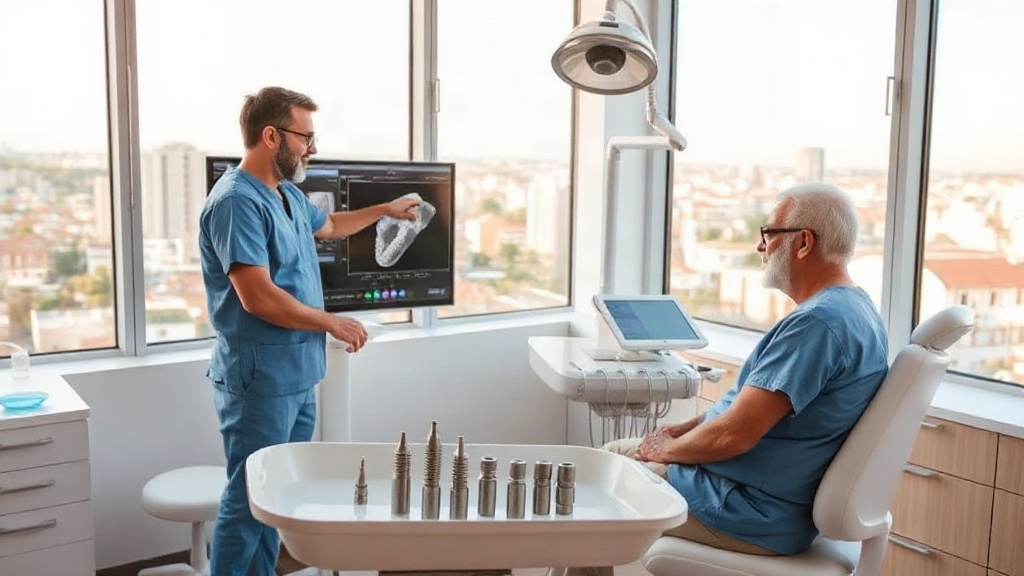
You have probably seen the ads: a full smile makeover in Turkey for a fraction of what you would pay at home. But behind the glossy photos and all-inclusive packages, what does the experience actually involve? If you are considering dental implants, Turkey has become a global hub for treatment, and for good reason. The combination of modern facilities, experienced clinicians, and significantly lower prices has drawn hundreds of thousands of patients from the UK, Europe, and beyond. Yet not all clinics are equal, and the cheapest quote is rarely the best value. This guide walks you through the real numbers, the clinical standards to look for, and the questions you should ask before you book a flight.
Why Turkey Became a Top Destination for Dental Implants
Turkey has been investing heavily in healthcare infrastructure for over two decades. Cities like Istanbul, Antalya, and Izmir now host JCI-accredited hospitals and dental centres that rival anything in Western Europe. The government also offers incentives for medical tourism, which has helped create a competitive market where clinics must maintain high standards to attract international patients.
Another factor is volume. Because Turkish clinics treat so many implant patients each year, their teams become highly efficient. A surgeon who places thousands of implants annually develops a level of routine that can translate into shorter surgery times and predictable outcomes. This is not to say every clinic is excellent, but the top-tier ones have earned their reputation through consistent results.
For patients from the UK, the appeal is obvious. NHS dental implant availability is limited, and private treatment can cost £2,500 to £3,500 per implant. In Turkey, the same procedure often ranges from £500 to £900 per implant, including the abutment and crown. Even after flights and accommodation, the savings can be substantial, especially for multiple implants or full-arch restorations.
What Dental Implants in Turkey Actually Cost
Pricing in Turkey varies widely depending on the city, the clinic's reputation, and the materials used. Here is a realistic breakdown of what you might expect to pay in 2025 for common treatments:
- Single implant with crown: £500 to £900
- All-on-4 (per arch): £3,000 to £5,500
- All-on-6 (per arch): £4,000 to £7,000
- Bone graft: £200 to £400
- Sinus lift: £300 to £600
These figures typically include the implant fixture, abutment, and crown. Some clinics also bundle airport transfers, hotel stays, and post-operative check-ups. Always ask for a written treatment plan that itemises every component. A quote that seems too low may exclude essential parts like the abutment or final crown, which can add hundreds of pounds later.
It is also worth noting that implant brands matter. Premium brands like Straumann, Nobel Biocare, and Astra Tech cost more but have decades of clinical evidence behind them. Some clinics use cheaper, lesser-known brands that may be harder to service if you need a repair back home. If you want long-term peace of mind, ask which brand will be used and whether your local dentist can maintain it.
How to Choose a Dental Centre in Turkey
Not every clinic that advertises to international patients is equipped for complex implant cases. A good dental centre Turkey should meet several criteria. Use this checklist when you research:
1. Accreditation and Certifications
Look for JCI (Joint Commission International) accreditation or ISO certifications. These indicate that the facility meets international standards for safety and hygiene. Also check whether the clinic is registered with the Turkish Ministry of Health and whether its surgeons are members of recognised dental associations.
2. Surgeon Experience and Specialisation
Implantology is a specialised field. Ask how many implants the surgeon places per year and whether they have a particular focus on complex cases like full-arch restorations. A surgeon who primarily does cosmetic dentistry may not have the same depth of experience as one who dedicates most of their practice to implants.
3. Technology and Materials
Modern clinics use 3D CBCT scans, guided surgery software, and CAD/CAM milling for crowns. These tools improve precision and reduce healing time. If a clinic relies only on 2D X-rays, that is a red flag. Also ask about the implant brand and whether the clinic provides a warranty.
4. Patient Reviews and Before-After Photos
Check independent review platforms like Trustpilot or Google Reviews, not just the testimonials on the clinic's website. Look for detailed accounts that mention follow-up care and how complications were handled. Before-after photos can be helpful, but be aware that they can be edited. Ask to speak with a past patient if possible.
5. Aftercare and Communication
What happens if you have a problem after you return home? A reputable clinic will provide a direct contact for emergencies, share your treatment records with your local dentist, and offer a clear warranty policy. Some clinics also have partner dentists in the UK who can handle minor adjustments.
Planning Your Trip: What to Expect
Most implant treatments in Turkey require two visits. The first trip, usually 5 to 7 days, involves consultation, scans, and implant placement. You then return home to let the implants integrate with the bone, a process that takes three to six months. The second trip, about 7 to 10 days, is for fitting the abutments and final crowns.
Some clinics offer immediate-load implants, where a temporary crown is attached on the same day. This can be convenient, but it is not suitable for every case. Your bone density and the implant's stability determine whether immediate loading is safe. Be wary of clinics that promise same-day permanent teeth for everyone; that is not clinically realistic.
When budgeting, remember to include flights, accommodation, and time off work. Istanbul and Antalya have direct flights from many UK cities, and recovery time is usually short. Most patients can return to normal activities within a few days, though you should avoid strenuous exercise for a week.
Are Dental Implants in Turkey Safe?
Yes, when performed by qualified professionals in accredited facilities. The risks are the same as anywhere else: infection, nerve damage, implant failure. The key is choosing a clinic that follows strict sterilisation protocols, uses high-quality materials, and provides proper follow-up. Do not let price be your only criterion. A cheap implant that fails after a year is far more expensive than a well-placed one that lasts decades.
Also consider your overall health. Conditions like uncontrolled diabetes, smoking, and gum disease can affect implant success. A good clinic will assess these factors and may recommend treating gum disease before surgery. If a clinic is willing to operate without a thorough health review, that is a warning sign.
Frequently Asked Questions
How long do dental implants last in Turkey?
With proper care, implants can last 15 years or more, similar to implants placed anywhere in the world. The lifespan depends on oral hygiene, regular dental check-ups, and avoiding habits like smoking. The implant itself is made of titanium and is designed to be permanent, but the crown may need replacement after 10 to 15 years.
Is it safe to get dental implants in Turkey?
Yes, if you choose an accredited clinic with experienced surgeons. Turkey has many JCI-accredited facilities that meet international safety standards. However, not all clinics are equal, so research thoroughly and avoid extremely cheap offers that cut corners on materials or aftercare.
How much do dental implants cost in Turkey compared to the UK?
In the UK, a single implant can cost £2,500 to £3,500. In Turkey, the same treatment typically ranges from £500 to £900. Even with travel and accommodation, you can save 50% to 70%, especially for multiple implants.
What is the best dental centre in Turkey for implants?
There is no single "best" clinic, as it depends on your specific needs. Look for JCI accreditation, a surgeon who specialises in implants, positive independent reviews, and transparent pricing. Clinics in Istanbul and Antalya tend to have the most experience with international patients.
Can I get dental implants in Turkey if I have bone loss?
Yes, many clinics offer bone grafting and sinus lifts to prepare the jaw for implants. These procedures add to the cost and may require an extra trip, but they allow patients with insufficient bone to still receive implants. Your clinic will assess your bone density with a 3D scan.
Choosing to get dental implants in Turkey is a significant decision. Take your time, ask questions, and prioritise quality over the lowest price. A well-planned treatment with a reputable dental centre Turkey can give you a healthy, confident smile for years to come.