
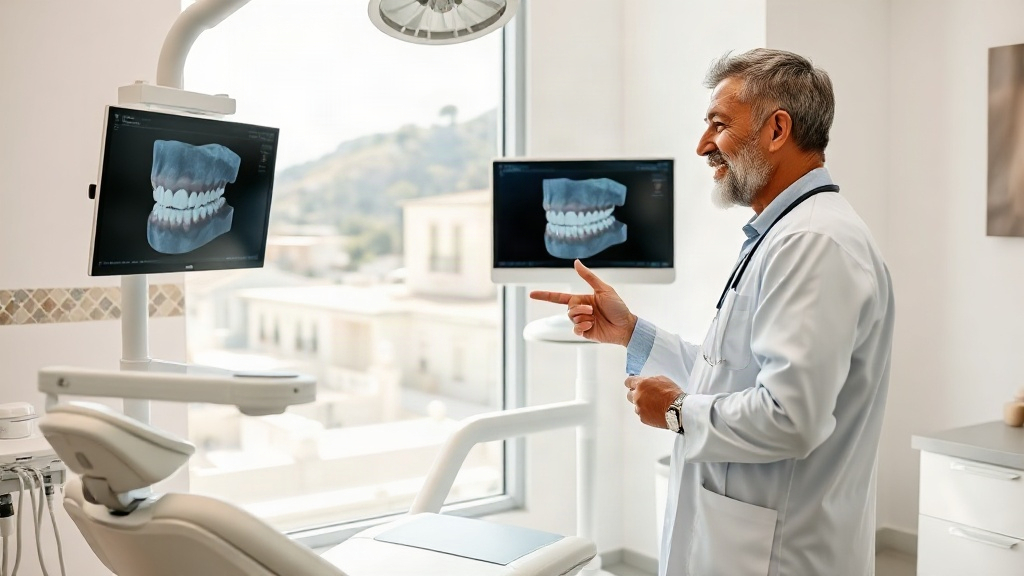
Thinking about replacing missing teeth with dental implants? You have probably heard about the excellent value and high standards available abroad. Turkey has become a leading destination for dental care, attracting thousands of international patients each year. But what does the journey actually look like when you choose a reputable dental centre Turkey? In this article, we walk you through the typical process, from the first consultation to the final crown, and share tips to help you get the best possible outcome.
Why Consider Dental Implants Turkey?
Dental implants are titanium posts that replace tooth roots, providing a stable foundation for crowns, bridges, or dentures. They look, feel, and function like natural teeth, and with proper care, they can last decades. However, the cost of implants in countries like the UK, USA, or Australia can be prohibitive. That is where dental implants Turkey comes in: clinics in Turkey often combine modern technology, experienced surgeons, and significantly lower prices. Many patients save 50-70% compared to private treatment at home, even after factoring in flights and accommodation.
But price is not the only draw. Turkish dental centres are known for their hospitality, streamlined processes, and English-speaking staff. Cities like Istanbul, Antalya, and Izmir have clusters of well-equipped clinics that cater specifically to international patients. The key is to choose a dental centre Turkey that prioritises quality and transparency over quick sales.
What to Expect at a Dental Centre Turkey
Every clinic operates slightly differently, but most follow a similar pathway. Understanding the steps helps you plan your trip and manage expectations.
1. Initial Consultation and Treatment Plan
Your journey usually begins with an online consultation. You send photos of your teeth and a panoramic X-ray, and a dentist assesses your case. They will discuss your goals, medical history, and any underlying issues such as gum disease or bone loss. If you are a suitable candidate, they provide a detailed treatment plan with costs and a timeline. This is your chance to ask questions: What implant brand do they use? How many implants are needed? What is the success rate? A reputable dental centre Turkey will answer openly and never pressure you into booking.
2. Arrival and In-Person Examination
Once you arrive, you will have a face-to-face examination. The dentist may take additional X-rays or a 3D scan to plan the implant placement precisely. They will also check your overall health; conditions like uncontrolled diabetes or smoking can affect healing. If everything is on track, you might have the first stage of surgery during the same trip.
3. Implant Placement Surgery
The surgery itself is usually performed under local anaesthesia, so you will not feel pain. The dentist makes a small incision in the gum, drills a precise hole in the jawbone, and inserts the titanium post. The procedure takes about 30-60 minutes per implant. Afterwards, you may experience some swelling and discomfort, but this is manageable with over-the-counter pain relief. Most patients return to normal activities within a day or two.
4. Healing and Osseointegration
After placement, the implant needs time to fuse with the bone, a process called osseointegration. This typically takes 3-6 months. During this period, you will have a temporary tooth or a gap, depending on the location. You will return home and continue your normal life while the implant integrates. Your clinic will schedule a follow-up review, often via video call, to monitor progress.
5. Abutment and Crown Placement
Once healing is complete, you return to Turkey (or your local dentist, if agreed) for the final stage. The dentist attaches an abutment to the implant and then fits a custom-made crown. This crown is colour-matched to your natural teeth, so it blends seamlessly. You leave with a fully functional, natural-looking smile.
How to Choose a Reputable Dental Centre Turkey
Not all clinics are equal. To ensure a safe and successful experience, consider these factors:
- Accreditation and certifications: Look for ISO certifications, membership in international dental associations, and adherence to sterilisation protocols.
- Surgeon experience: Ask about the dentist's training, years of practice, and how many implant procedures they perform annually.
- Implant brands: Prefer well-known, FDA-approved brands like Straumann, Nobel Biocare, or Astra Tech. These have long-term research backing.
- Transparent pricing: A good clinic provides a written quote covering all costs: implants, abutments, crowns, medications, and follow-ups. Beware of hidden fees.
- Aftercare and warranty: Inquire about the warranty on implants and crowns, and what support is available once you return home.
- Patient reviews: Read independent reviews on platforms like Google, Trustpilot, or dental tourism forums. Look for consistent positive feedback about results and customer service.
Taking the time to vet your dental centre Turkey choice pays off in peace of mind and long-term oral health.
Benefits of Dental Implants Turkey
Beyond cost savings, there are several advantages to choosing Turkey for your implant treatment:
- State-of-the-art technology: Many clinics invest in 3D imaging, CAD/CAM milling, and guided surgery for precise results.
- Short waiting times: You can often start treatment within weeks, unlike in some countries where waiting lists are long.
- Combined holiday: You can recover while enjoying Turkey's beaches, culture, and cuisine. Many clinics are located in tourist-friendly areas.
- Personalised care: International patient coordinators handle logistics, from airport transfers to hotel bookings, making the process stress-free.
Of course, you should weigh these benefits against potential drawbacks, such as travel costs, language barriers, and the need for follow-up care. A reputable clinic will help you navigate these concerns.
Risks and Considerations
Dental implant surgery is generally safe, but it is not without risks. Potential complications include infection, nerve damage, sinus problems (for upper implants), and implant failure. These risks increase if you have poor oral hygiene, smoke, or have certain medical conditions. Choosing an experienced surgeon and following post-operative instructions carefully minimises these risks.
Also, consider the logistics: you will need to travel at least twice (for surgery and for crown placement), and you may need to stay for 7-10 days each time. Factor in flights, accommodation, and time off work. Some clinics offer package deals that include these expenses, so compare carefully.
Aftercare and Maintenance
Once your implants are in place, they require the same care as natural teeth: brushing twice daily, flossing, and regular dental check-ups. Your Turkish clinic will provide aftercare instructions and may collaborate with your local dentist for ongoing maintenance. Attend all follow-up appointments, whether in person or virtual, to ensure the implants are healing correctly.
With proper care, dental implants can last a lifetime. Many patients report improved confidence, better chewing ability, and a renewed sense of well-being.
Frequently Asked Questions
How much do dental implants cost in Turkey?
Costs vary depending on the clinic, implant brand, and complexity of the case. On average, you can expect to pay between £500 and £1,200 per implant, including the abutment and crown. This is significantly lower than UK private prices, which often range from £2,000 to £3,000 per implant. Always request a detailed quote to avoid surprises.
Is it safe to get dental implants in Turkey?
Yes, when you choose a reputable, accredited clinic with experienced surgeons. Turkey has many high-quality dental centres that adhere to international sterilisation and safety standards. Research the clinic thoroughly, check reviews, and ensure the dentist is qualified and uses trusted implant brands.
How long do I need to stay in Turkey for dental implants?
Typically, you will need to stay for about 5-7 days for the initial surgery. After a healing period of 3-6 months, you will return for another 5-7 days to have the abutment and crown fitted. Some clinics offer one-stage treatment for certain cases, but two trips are common.
Can I get dental implants in Turkey if I have bone loss?
Yes, many clinics offer bone grafting or sinus lift procedures to build up the jawbone before implant placement. This adds to the treatment time and cost, but it makes implants possible for patients who would otherwise not be candidates. Your dentist will assess your bone density during the consultation.
What aftercare support is available after I return home?
Reputable clinics provide aftercare instructions and a point of contact for any concerns. They may also coordinate with a local dentist for follow-up appointments. Some offer virtual check-ins to monitor healing. Always clarify the aftercare policy before committing.